
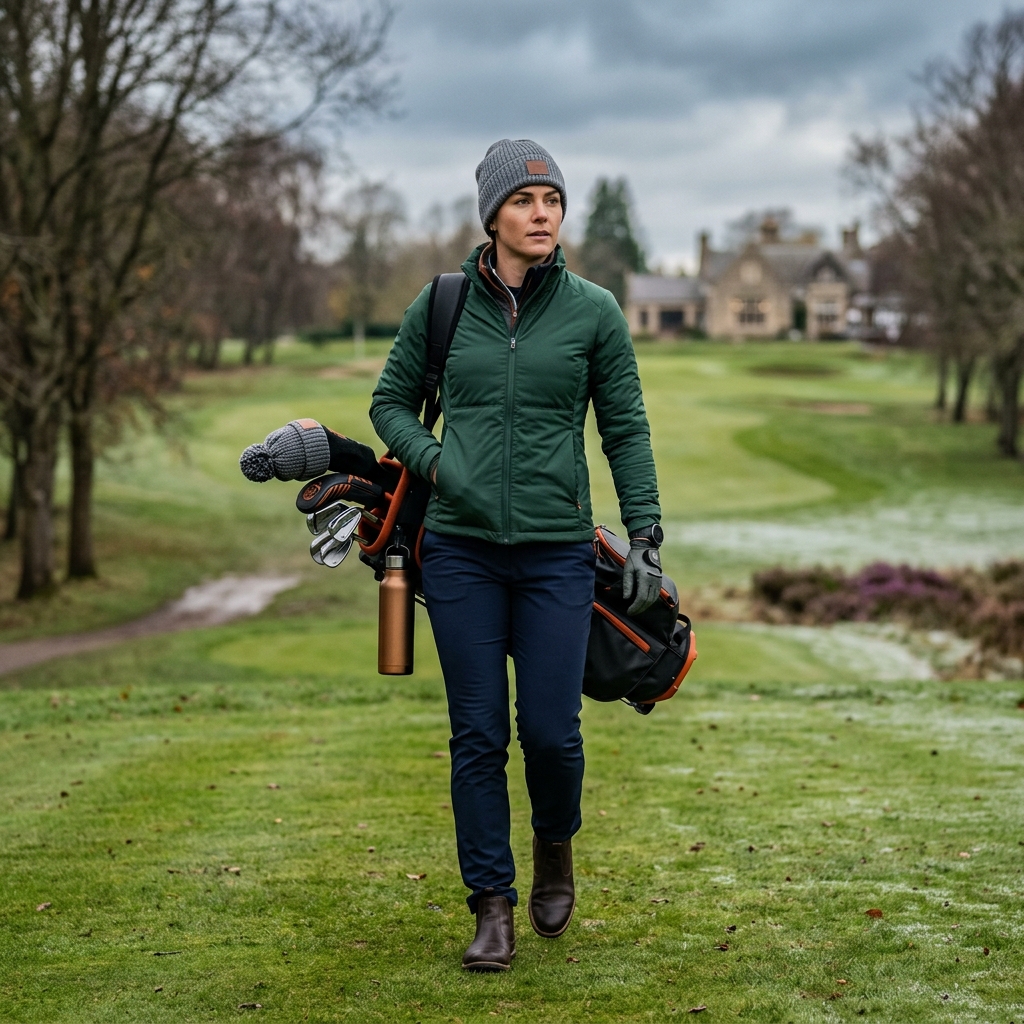
Build a winter golf accessory kit around keeping equipment usable and dry: suitable gloves, a sheltered towel, spare dry storage and an umbrella that fits your carrying setup. Add items only when they address a problem in your usual rounds. The practical details are where wet kit goes, how you reach small items and whether everything still fits the bag without blocking access.
Link disclosure: The manufacturer and retailer links in this guide are direct links. They are included to help you check the named products and do not use affiliate tracking.
Guide checked: 8 September 2026. This guide compares the linked manufacturer and retailer information. We have not carried out hands-on product testing. Check the exact specification and current offer before buying.
| Problem | Useful response | Check before buying |
|---|---|---|
| Cold or wet hands | Appropriate playing gloves and dry spare storage | Winter and rain gloves serve different needs |
| Wet cleaning towel | Protected cleaning area and a spare | Attachment and drying routine |
| Low trolley umbrella | A compatible handle and holder combination | Exact trolley and mounting fit |
| Damp kit after play | Separate wet storage for the journey home | Remove and dry contents afterwards |
Table of Contents
WinterSof Pair: choose the cold-weather routine first
FootJoy’s WinterSof is a winter playing pair to consider when you want both hands covered for shots. Try it with your jacket cuffs and the small tasks you perform around the green. It is a different routine from taking mitts off before each shot.
The decision is whether that arrangement works for you, not whether the bag can hold another pair of gloves. Keep a dry storage position ready and use the exact product’s care directions. A pair bought for winter is of limited use if it starts the next round damp from the last one.
StaDry Performance Towel: plan where the protected area hangs
Titleist’s StaDry Performance towel offers a weather-oriented outer and inner cleaning layout. Positioning remains part of its usefulness: inspect where it hangs when the bag is strapped to the trolley and when you open the rain hood.
Do not rely on a product name to organise the rest of the bag. Keep the dirty cleaning surface separate from gloves and paperwork, and remove the towel to dry after the round. If a normal towel plus a sheltered spare already works, there may be no need to replace it.
Motocaddy Clearview: verify the umbrella and holder together
The Clearview umbrella is a model to investigate with the compatible Motocaddy Umbrella Holder. Check your existing accessory before assuming that the umbrella alone completes the setup. The mounting choice affects height, view and access to the clubs.
Fit the combination in calm conditions before relying on it during a wet round. A larger shelter is only useful if you can manage it and follow the maker’s guidance when the weather changes. Keep the closed umbrella’s storage position clear of moving parts.
Pack dry items before the forecast becomes a problem
Start with a clean, dry bag and identify a protected place for spare gloves, a small towel and paperwork. Label the role in your own mind rather than filling every pocket. A spare is only useful if it remains dry and you can find it without emptying wet clothing over it.
Check closures and seams on the storage you use. A bag’s waterproof claim does not mean an open pocket protects its contents, and a loose rain hood may not cover every opening. Put your essential dry items in the part of the system you can close properly, following the bag maker’s instructions.
Make the small tasks easy with gloves on
Practise reaching a tee, marker, pencil and rangefinder while wearing the layers you expect to use. If each task needs a different zipped pocket, simplify the arrangement. A small accessible pocket may be more valuable than another accessory clipped to the outside of the bag.
Check that a new attachment does not obstruct a stand leg, trolley strap or frequently used zip. Winter kit often adds bulk, so a layout that worked with a polo and one towel may need adjustment. Move items around before deciding you need a larger bag.
Keep wet and dry equipment apart
Have a place for used gloves and a wet towel during the journey home. That separation is temporary storage, not a drying method. Remove the contents promptly and follow each item’s care directions. Leaving a damp bundle closed until the next tee time makes it difficult to judge whether new accessories have improved anything.
Inspect the bag itself after heavy rain. Water left in pockets or beneath a hood can dampen the next set of spares. Open and dry the compartments as appropriate, then repack only the items you need. A repeatable end-of-round routine costs less than replacing kit that has been stored badly.
Add equipment for a specific reason
A shoe-cleaning brush may be useful where the course provides a suitable cleaning area; a spare pair of socks may help with the journey home; a compatible trolley accessory may make access easier. These are possibilities to judge against your own routine, not a compulsory shopping list. Check material and mounting compatibility before buying any of them.
Avoid using accessories as a reason to ignore the course’s weather decisions or restrictions. Winter trolley rules, closures and suspension procedures come from the venue. Read them before travelling and adapt the load you carry. A lighter essential kit may be preferable if you will be carrying rather than using the trolley you normally rely on.
Review the kit after a round
Note which item you reached for and which remained untouched. Replace missing essentials first and remove unnecessary duplicates. The aim is a bag that lets you play and look after the equipment comfortably, with a clear route for drying everything afterwards.
Check the clothing separately with our waterproof jacket and waterproof trouser guides.