
Table of Contents
Why Cleaning Your Golf Clubs Matters
Regularly cleaning your golf clubs isn’t just about aesthetics; it directly impacts your performance and the longevity of your investment. Dirt, grass, sand, and even seemingly harmless grime significantly reduce the friction between the clubface and the ball, diminishing spin rates and altering ball flight. A clean groove ensures optimal contact, allowing for better control and accuracy. Over time, accumulated dirt can also lead to corrosion, particularly on steel clubs, shortening their lifespan and reducing their resale value. A well-maintained set of clubs demonstrates pride in your game and can command a higher price should you ever decide to upgrade.
Understanding Different Club Materials & Cleaning Needs
Golf clubs aren’t one-size-fits-all, and neither are their cleaning requirements. Here’s a breakdown:
Club Head Materials
- Steel: Generally durable, but susceptible to rust if not properly cared for. Requires regular cleaning and occasional polishing.
- Titanium: More resistant to corrosion than steel, but can still accumulate dirt and grime. Avoid abrasive cleaners.
- Graphite: Delicate material, requiring gentle cleaning methods. Avoid harsh chemicals and excessive scrubbing.
Grip Materials
- Rubber: Common and relatively easy to clean. Can become slippery with oil and sweat buildup.
- Corded: Offers excellent grip but is prone to collecting dirt and can be more difficult to clean thoroughly.
Essential Golf Club Cleaning Tools (2026)
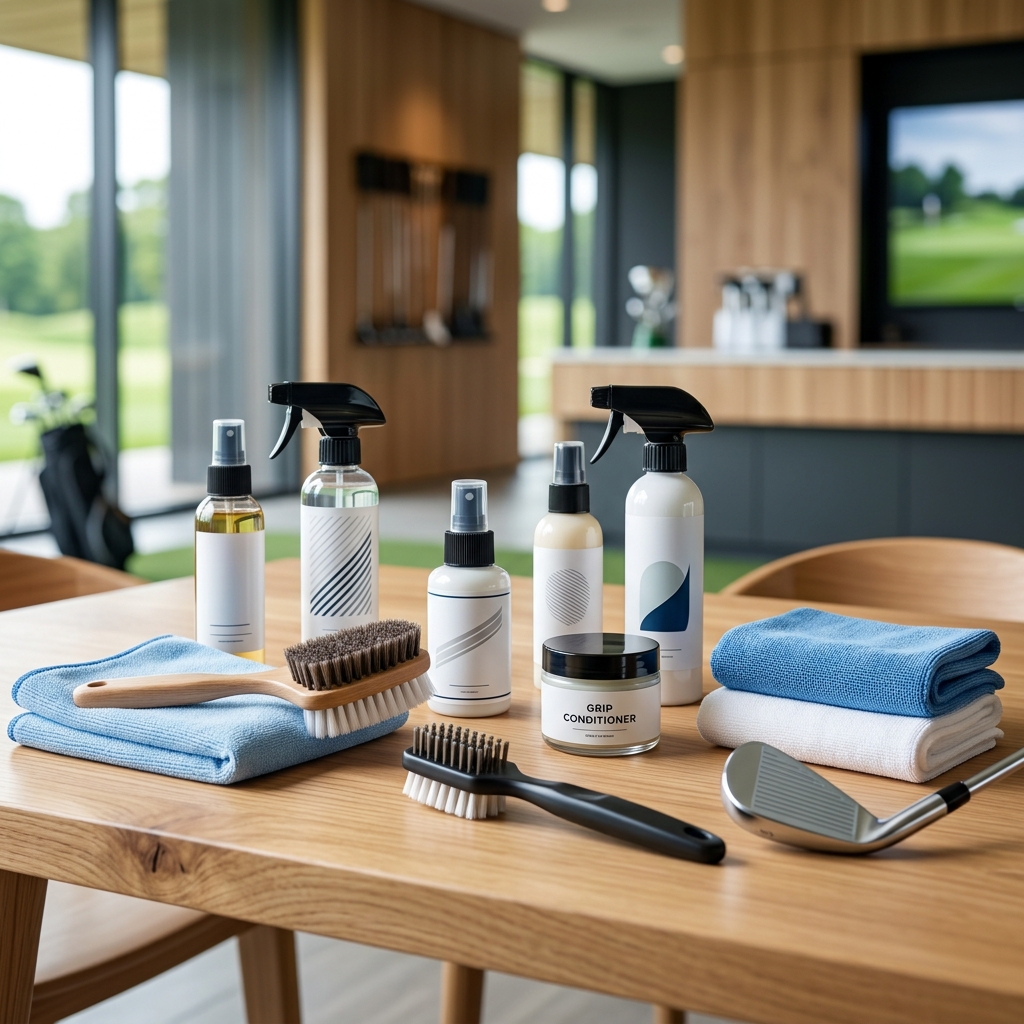
By 2026, we’re seeing increased sophistication in golf club cleaning tools, moving beyond basic brushes and sprays. Here’s what you’ll need:
- Brushes: Nylon brushes are versatile; brass brushes are for stubborn dirt on steel (use with caution!). Specialised brushes targeting grooves are now often integrated into multi-tool designs.
- Cleaning Solutions: Sprays for general cleaning, dips for heavily soiled clubs, and biodegradable options are gaining popularity.
- Towels: Microfibre towels are essential for drying and polishing.
- Groove Cleaners: Small tools designed to remove debris from club grooves. Many 2026 models feature sonic vibration for enhanced cleaning.
- Ultrasonic Cleaners (Emerging Trend): While still a premium option, portable ultrasonic cleaners for golf clubs are becoming more accessible, offering deep and thorough cleaning.
Best Golf Club Cleaning Brushes – UK Market Review (2026)
| Brush | Price (GBP) | Pros | Cons |
|---|---|---|---|
| Wilson Staff Golf Club Cleaning Brush | £8.99 | Affordable, durable nylon bristles, comfortable grip. | May not be aggressive enough for heavily soiled clubs. |
| Motocaddy Club Brush & Groove Cleaner | £12.99 | Integrated groove cleaner, durable construction, versatile bristles. | Slightly more expensive than basic brushes. |
Top-Rated Golf Club Cleaning Solutions – UK 2026
| Solution | Price (GBP) | Pros | Cons |
|---|---|---|---|
| Pro-Clean Golf Club Cleaning Solution (500ml) | £14.99 | Effective at removing dirt and grime, safe for most club materials. | Contains some chemicals, not fully biodegradable. |
| Golf Cleaner Pro – Premium Golf Club and Grip Cleaner | £19.99 | Excellent cleaning power, specially formulated for grips, pleasant scent. | Higher price point. |
| The Little Green Sponge Golf Club Cleaning Kit | £29.99 | All-in-one kit including sponge, brush, and solution. Eco-friendly and biodegradable. | Sponge may need replacing more frequently. |
Golf Club Grip Cleaning & Maintenance
Maintaining your grips is crucial for a secure and consistent swing. Rubber grips can be cleaned with mild soap and water, or dedicated grip cleaning wipes like GripMaster Grip Cleaning Wipes (Pack of 50) – £9.99. Corded grips require more attention; use a soft brush and a grip cleaning solution, working in circular motions to dislodge dirt. Avoid soaking corded grips. Regular cleaning prevents slippage and extends grip life. Replace grips when they become worn or lose their tackiness – typically every 1-2 seasons.
Polishing Your Clubs for a Professional Finish
Polishing steel clubs restores shine and helps prevent rust. Use a metal polish specifically designed for golf clubs. Apply a small amount to a clean microfibre cloth and rub gently in a circular motion. Rinse thoroughly with water and dry completely. Caution: Never use abrasive polishes on titanium or graphite clubs. Always wear gloves and work in a well-ventilated area. Consider using Scotchgard Golf Club Protector Spray (2026 Formula) – £24.99 after polishing to create a protective barrier against corrosion.
Preventative Care: Protecting Your Clubs After Cleaning
Once cleaned and polished, protect your investment:
- Dry Thoroughly: Ensure clubs are completely dry before storing.
- Club Head Covers: Use head covers to protect club heads from scratches and dings.
- Bag Organisation: Arrange clubs in your bag to minimise friction and prevent damage.
- Storage Environment: Store your clubs in a dry, climate-controlled environment.
Future Trends in Golf Club Cleaning (2026 & Beyond)
The golf club cleaning market is evolving rapidly. We’re anticipating:
- Self-Cleaning Technologies: Research is underway on coatings that repel dirt and water, potentially reducing the need for frequent cleaning.
- Eco-Friendly Solutions: Increased demand for biodegradable and sustainable cleaning products.
- Smart Cleaning Tools: Integration of sensors and AI to optimise cleaning processes and identify areas requiring more attention.
- Portable Ultrasonic Cleaning Expansion: Smaller, more affordable ultrasonic cleaners becoming commonplace for golfers.
FAQ
Q: How often should I clean my golf clubs?
Ideally, after every round of golf. A quick wipe down after each round prevents dirt buildup and makes more thorough cleaning less frequent.
Q: Can I use household cleaners on my golf clubs?
Avoid using harsh household cleaners, as they can damage club finishes and materials. Stick to dedicated golf club cleaning solutions.
Q: Is it safe to use a brass brush on all my clubs?
No. Brass brushes are best suited for removing stubborn rust and dirt from steel club heads. Avoid using them on titanium or graphite clubs, as they can cause scratches.
Q: How do I know when to replace my golf club grips?
Replace your grips when they become worn, cracked, or lose their tackiness. Slipping or difficulty maintaining a secure grip are key indicators.
Q: Are biodegradable cleaning solutions as effective?
Modern biodegradable cleaning solutions are highly effective at removing dirt and grime. They offer a more environmentally friendly alternative without sacrificing performance.