
As an Amazon Associate I earn from qualifying purchases.
Use Titleist’s online selection tools to form a shortlist, a virtual consultation to resolve questions, and a local fitting or on-course trial to evaluate shots. These are complementary routes. A recommendation on a screen is not the same evidence as seeing the ball carry and stop with your clubs.
Research-based guide, checked September 13, 2026. We used the linked official information. We have not tested these products; suggested comparisons are editorial guidance.
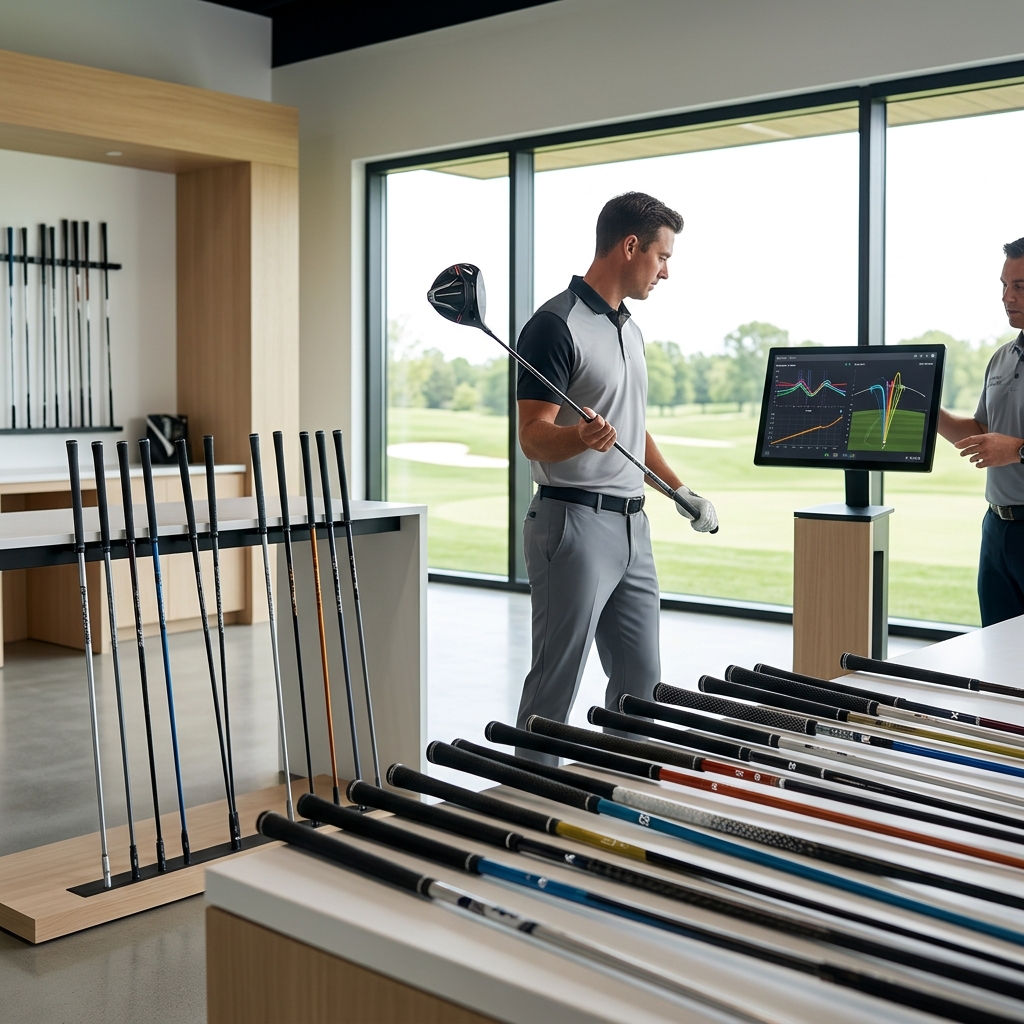
Table of Contents
Choose the level of help you need
Titleist’s ball-fitting hub explains its flight, spin and feel distinctions. The virtual consultation page offers scheduled 30-minute Zoom conversations with a product expert and links to its ball selector. For measured local help, the US ball-fitting locator searches by ZIP code, city or state.
The Golf Ball Fitting App page describes an in-person recommendation process. Do not assume that a fitter’s app is a consumer phone app you download to obtain the same measurement at home.
| Route | Useful for | Still needed afterwards |
|---|---|---|
| Online selector | A starting shortlist from your inputs | Confirm whether the proposed ball works on your shots |
| Virtual consultation | Discussing current equipment and conflicting priorities | A practical trial of the recommendation |
| Local fitting | Observed shots and a data-informed comparison | Confirmation on your normal course |
| Self-directed course trial | Learning carry, landing and feel in familiar conditions | Expert interpretation if the result is unclear |
Prepare facts before starting the selector
Have your current model and approximate generation ready. Describe the flight you normally see, the shots you want to improve and the surfaces you play. If you have reliable launch data, retain the actual session report rather than guessing a number to complete an answer.
Save the recommendation and the reason it was suggested. If the result changes when you alter an answer, note which input changed. That is useful material for a consultation; it does not mean you should keep adjusting answers until the tool recommends the ball you already wanted.
Our materials guide explains terminology that can appear in product comparisons. A construction label is background information, not a replacement for a useful fitting question.
Make a virtual appointment specific
Prepare two or three questions tied to ordinary play. For example: “My full irons hold the green, but partial pitches run farther than I expect; what should I compare?” That gives the expert a clearer problem than a general request for the best ball.
Have the current box nearby and write down any recommendation in full, including generation and visual version. Ask what result should improve and what tradeoff to watch. A call can clarify a shortlist without producing your own measured ball-flight data.
We did not verify that every appointment includes free sample balls, a purchase credit or a guaranteed booking time. Check any fee, sample arrangement and availability on the current booking before committing. The same applies to a local fitting event.
Contact the actual local fitting venue
Use the locator to identify suitable places, then confirm the service. Ask whether the appointment is specifically for ball fitting, which shots are included, what equipment to bring and whether you receive the results. A general retail location is not automatically offering every type of fitting on every day.
Bring your usual ball as a reference if the venue allows it. Ask how the recommendation will be evaluated and whether you can compare the relevant alternatives. Keep the session focused enough to understand the result rather than hitting many models without a clear record.
Turn the recommendation into an on-course decision
Buy or obtain a small trial quantity and keep the exact model consistent. Compare a familiar pitch, scoring iron, longer approach and driver situation. Use the distance worksheet to organize carry notes if helpful; it is delivered through the site’s email signup.
Record the landing point separately from the finish and keep putting preference in its own note. If the recommended ball solves one problem while creating another, take those observations back to the fitter instead of treating the first recommendation as irreversible.
These affiliate links open Amazon US search results for the named equipment or accessories.
Check the exact model, generation and seller. Results can include alternatives; a search link does not confirm availability. Use the official supplier links for specialist products and services.
The useful outcome is a ball choice you can explain through your normal shots. Start with the convenient online route, then add measured or practical evidence where the decision remains uncertain.
Sources and method
Specifications and product distinctions come from Titleist ball-fitting hub, Titleist virtual consultations, Titleist US fitter locator, Titleist Golf Ball Fitting App. Order availability and personal fitting results need confirmation for your chosen configuration.