
Table of Contents
Introduction: Why a Garden Putting Green?
The popularity of golf in the UK continues to soar, and with it, a desire for convenient practice facilities. A garden putting green offers exactly that – a dedicated space to hone your short game without the cost and travel time associated with golf clubs. Beyond practice, it’s a fantastic source of entertainment for all ages, providing a fun activity for families and friends. Improving your putting stroke, building confidence, and enjoying the outdoors – a garden putting green delivers on all fronts. In 2026, more and more UK gardeners are incorporating these into their outdoor spaces.
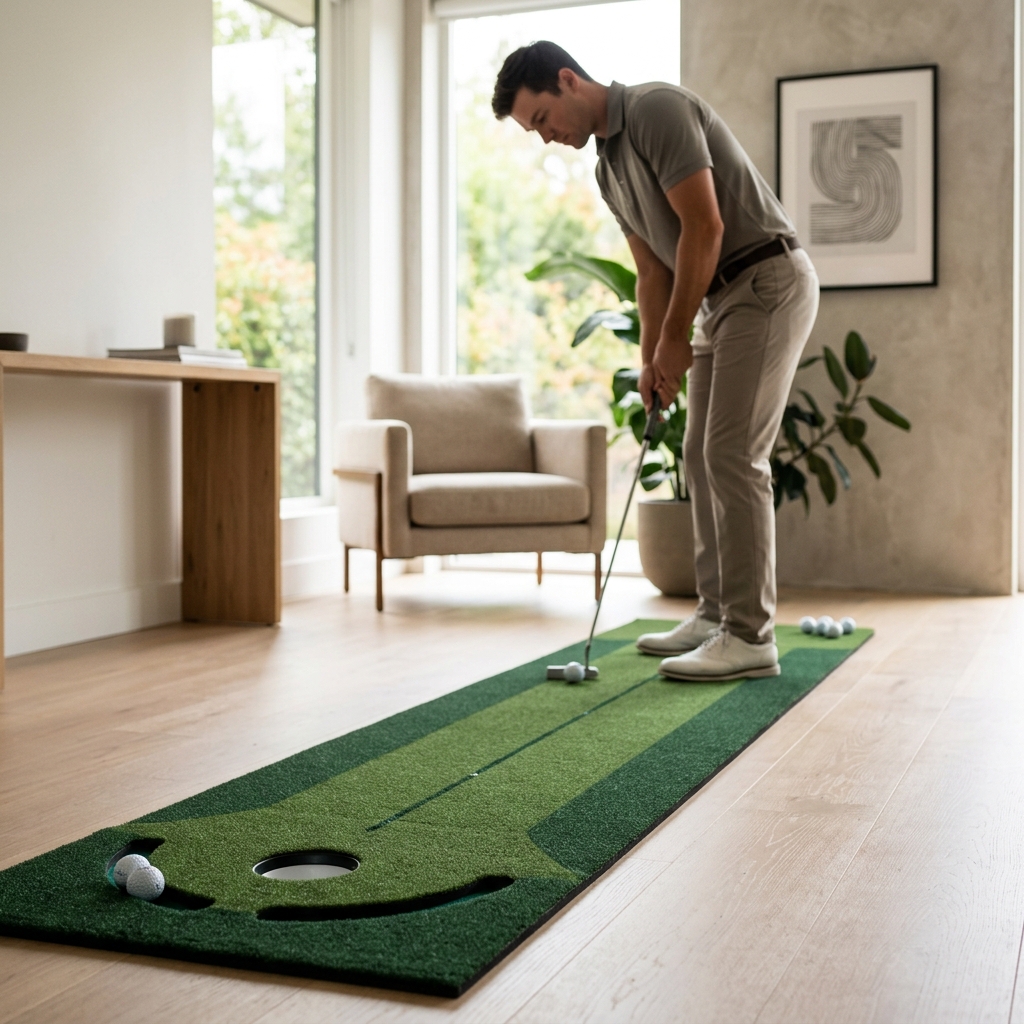
Types of Putting Greens for UK Gardens
Choosing the right putting green for your garden requires considering your budget, space, and desired level of maintenance. Here’s a breakdown of the most common options:
Synthetic Turf
The most popular choice in the UK, synthetic putting greens offer a realistic playing surface with minimal maintenance. They’re durable, weather-resistant, and can be installed on various base surfaces.
- Pros: Low maintenance, durable, all-weather use, realistic feel (depending on quality), long lifespan.
- Cons: Can be expensive upfront, may get hot in direct sunlight, requires infill maintenance.
Modular Putting Greens
Consisting of interlocking tiles, modular greens are a portable and flexible option. They’re easy to assemble and disassemble, making them ideal for temporary setups or smaller gardens.
- Pros: Portable, easy to install, affordable, flexible design.
- Cons: May not feel as realistic as synthetic turf, potential for tiles to separate, less durable than a full synthetic green.
Natural Grass
While less common in the UK due to the demanding maintenance requirements, a natural grass putting green can provide a truly authentic experience. Specific grass types like creeping bentgrass are favoured for their fine texture and ability to withstand frequent putting.
- Pros: Most realistic feel, aesthetically pleasing.
- Cons: High maintenance (mowing, fertilising, aeration, weed control), susceptible to disease, requires significant water, weather-dependent.
Synthetic Putting Green Materials: What to Look For
Not all synthetic turf is created equal. The quality of materials significantly impacts the feel, performance, and longevity of your putting green. Here’s what to consider:
Pile Height
Refers to the length of the synthetic grass fibres. Lower pile heights (2-10mm) provide a faster, truer roll, similar to a professional golf green. Higher pile heights (10-15mm) offer a softer feel but may slow down the ball.
Density
Measured in stitches per square inch, density determines the fullness of the turf. Higher density equates to a more realistic feel and better ball retention.
Material
- Polypropylene: The most affordable option, offering decent durability but less realistic feel.
- Polyethylene: A good balance of price and performance, offering a softer feel and improved durability.
- Nylon: The most expensive option, providing the most realistic feel, exceptional durability, and excellent UV resistance.
UV Resistance & Drainage
Crucial for the UK climate. Ensure the turf is UV stabilised to prevent fading and degradation from sunlight. Excellent drainage is essential to prevent waterlogging and maintain a consistent playing surface.
Garden Putting Green Sizes & Shapes: Finding the Right Fit
The size and shape of your putting green should be dictated by your available space and desired practice experience.
Common Sizes
- Small (3x10ft): Ideal for smaller gardens or focused short game practice.
- Medium (8x15ft): Offers more space for varied practice drills and a more realistic putting experience.
- Large (15x30ft+): Best for larger gardens, allowing for a challenging and comprehensive putting practice area.
Shapes
- Rectangular: The most common and easiest to install.
- Curved: Adds visual appeal and can create interesting putting challenges.
- Custom: Allows for complete design freedom, incorporating slopes, contours, and specific hole placements.
Slopes & Contours
Adding subtle slopes and contours can significantly enhance the challenge and realism of your putting green. Consider the natural drainage of your garden when planning any slopes.
Installation Guide: DIY vs. Professional Installation
DIY Installation
- Ground Preparation: Clear the area of debris, level the ground, and compact the soil.
- Base Layer: Lay a sub-base of crushed hardcore (MOT Type 1) and compact it thoroughly.
- Geotextile Fabric: Lay a geotextile fabric to prevent weed growth and stabilise the base.
- Turf Laying: Roll out the synthetic turf, ensuring a tight fit and secure edges.
- Infill: Apply the recommended infill material (silica sand or rubber crumb) to support the fibres and improve ball roll.
Professional Installation
Offers convenience and guarantees a professional finish. Expect to pay between £50-£100 per square meter for professional installation in the UK (2026 prices). Benefits include precise levelling, proper drainage, and expert turf laying.
UK Regulations
Generally, no planning permission is required for installing a garden putting green, as it’s considered a garden improvement. However, it’s always best to check with your local council for specific regulations.
Putting Green Accessories: Enhance Your Practice
Complement your putting green with essential accessories for a more enjoyable and effective practice experience.
- Putting Cups: Essential for setting hole locations.
- Flags: Helpful for visual alignment.
- Practice Balls: Invest in quality golf balls for consistent performance.
- Alignment Aids: Tools to improve your putting stroke.
- Chipping Nets: Expand your practice area to include chipping.
Putting Green Maintenance: Keeping Your Green in Top Condition
Synthetic Greens
- Brushing: Regularly brush the turf to maintain fibre uprightness and remove debris.
- Cleaning: Remove leaves, dirt, and other contaminants.
- Infill Replenishment: Replenish infill material as needed.
Natural Greens
- Mowing: Frequent mowing at a low height is crucial.
- Fertilising: Regular fertilisation to maintain healthy growth.
- Aeration: Aerating the soil to improve drainage and oxygen flow.
- Weed Control: Controlling weed growth to prevent competition with the grass.
Winter Care
In the UK climate, protect your putting green from harsh winter conditions. Remove snow promptly to prevent damage. For synthetic greens, avoid heavy use during freezing temperatures.
Top Putting Greens Available in the UK (2026)
| Product Name | Price (GBP) | Size | Material | Features |
|---|---|---|---|---|
| ProPutt Systems Standard Putting Green | 799.99 | 8x12ft | Synthetic (Polyethylene) | Realistic feel, excellent drainage, adjustable hole positions. |
| GolfPal Modular Putting Green Tiles (4 tiles) | 149.99 | Approx. 4x2ft (configurable) | Synthetic (Polypropylene) | Portable, easy to assemble, affordable. |
| PuttPro Putting Green 10x3ft | 349.0 | 10x3ft | Synthetic (Polyethylene) | Compact size, good for small gardens, realistic roll. |
| Indoor Putting Green Mat with Return System | 89.99 | 3x10ft | Synthetic (Velvet) | Ideal for indoor practice, automatic ball return. |
| TruGolf Premium Synthetic Putting Turf (per square meter) | 35.0 | Custom Size | Synthetic (Nylon) | High-quality, realistic feel, durable, excellent UV resistance. |
Cost Breakdown: How Much Does a Garden Putting Green Cost?
- Turf Cost: £100 – £2000+ (depending on size and material).
- DIY Installation Cost: £200 – £500 (materials for base layer and infill).
- Professional Installation Cost: £50 – £100 per square meter.
- Accessory Costs: £50 – £200.
- Ongoing Maintenance Costs: £20 – £50 per year (for synthetic greens). Higher for natural grass.
Frequently Asked Questions (FAQs)
Q: How long will a synthetic putting green last?
A: With proper maintenance, a high-quality synthetic putting green can last 10-20 years.
Q: Can I install a putting green on a sloping garden?
A: Yes, but it requires careful planning and potentially some levelling work. Professional installation is recommended for sloping gardens.
Q: Does a synthetic putting green require any maintenance?
A: Minimal maintenance is required. Regular brushing and occasional infill replenishment are the main tasks.
Q: Is planning permission required for a garden putting green?
A: Generally no, but it’s always best to check with your local council.
Q: What is the best type of infill for a synthetic putting green?
A: Silica sand is a popular and affordable option, while rubber crumb provides a more realistic feel and better ball roll, but can retain more heat.