
Table of Contents
Introduction: Why Home Practice is Key in 2026
Golf in the UK is evolving. While traditional golf clubs remain popular, accessibility is paramount. In 2026, the rise of affordable and effective home practice solutions is revolutionising how golfers improve their game. No longer reliant solely on expensive lessons and limited range time, players can now hone their skills in the comfort of their own homes. This guide will delve into everything you need to know to improve your golf swing at home, from self-diagnosis to utilising the latest technology. The benefits are clear – cost-effectiveness, convenience, and the ability to focus on specific areas for improvement without the pressure of a crowded driving range or a busy course. The cost of golf club membership has also continued to rise, making home practice an increasingly attractive option for many.
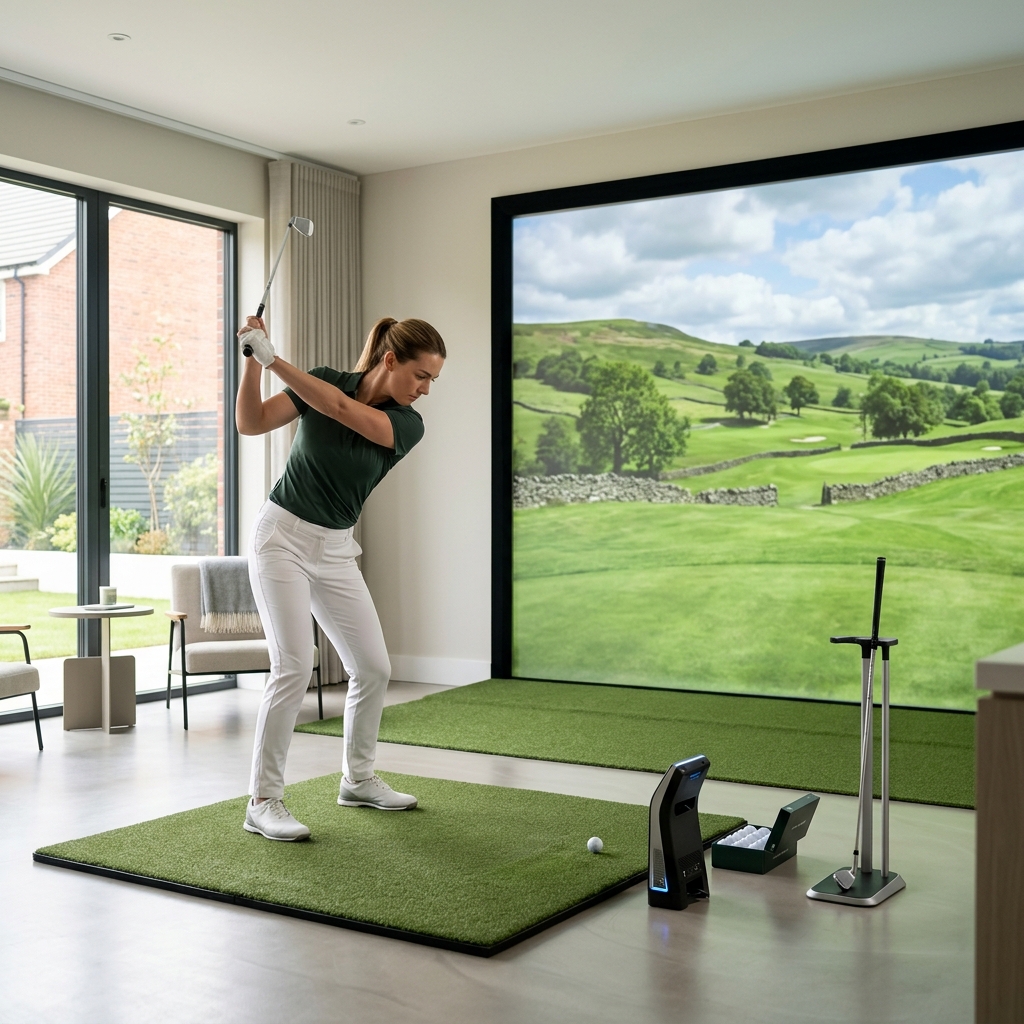
Understanding Your Current Swing: Self-Diagnosis
Before investing in equipment or drills, understanding your current swing flaws is crucial. While a professional coach is ideal, a basic self-assessment can highlight areas for improvement. Focus on the following:
Key Areas to Observe:
- Grip: Is it neutral, strong, or weak? Are your hands working together?
- Stance: Is your weight balanced? Is your posture correct – slightly bent from the hips, not the waist?
- Backswing: Do you lift the club instead of rotating your shoulders? Is your takeaway too inside or outside the target line?
- Downswing: Are you maintaining your lag? Are you coming ‘over the top’?
- Follow-Through: Are you completing your swing and achieving a balanced finish?
Tip: Use your smartphone to film your swing from multiple angles (down-the-line and face-on). This allows for detailed analysis and comparison over time. There are several free swing analysis apps available for download on both iOS and Android. Slow motion playback is invaluable.
Essential Home Practice Equipment (2026 Update)
The market for home golf practice equipment in 2026 is thriving, with significant advancements in technology. Here’s a breakdown by budget:
Budget-Friendly (£20 – £100)
| Product | Price (Approx.) | Pros | Cons |
|---|---|---|---|
| SKLZ Golf Alignment Sticks (Set of 3) | £25 | Affordable, versatile, improves alignment and swing plane. | Basic, doesn’t provide feedback on swing data. |
| Zero Friction Golf Training Aids (Various) | £15-£50 | Variety of aids for grip, posture, and swing path. | Effectiveness varies depending on the specific aid. |
| Callaway Golf Nets (Standard Size) | £80 | Good quality net for basic hitting practice. Portable. | May not withstand frequent heavy use. |
Mid-Range (£100 – £500)
| Product | Price (Approx.) | Pros | Cons |
|---|---|---|---|
| Rukket Golf Net (Heavy Duty) | £200 | Durable, can handle high-speed swings, includes target. | More expensive than basic nets. |
| Swing Caddie SC300i Portable Launch Monitor | £350 | Provides basic swing data (carry distance, club speed, ball speed). Portable. | Less accurate than higher-end launch monitors. |
High-End (£500+)
| Product | Price (Approx.) | Pros | Cons |
|---|---|---|---|
| Garmin Approach R10 Launch Monitor | £600 | Detailed swing data, virtual golf simulator features, portable. | Still less accurate than professional-grade launch monitors. |
| Powerbilt Golf EXS Pro Launch Monitor | £750 | Comprehensive data, multiple sports modes. | Can be complex to set up and interpret data. |
| Net Return Pro Series Golf Net | £800+ | Professional-grade net, durable, excellent ball containment. | Very expensive, requires significant space. |
Drills to Improve Your Grip & Stance
Grip Drill: Place a golf tee under each hand when gripping the club. This encourages a lighter grip pressure. Focus on maintaining a relaxed grip throughout the swing.
Stance Drill: Use alignment sticks to ensure your feet, hips, and shoulders are aligned to the target. Practice maintaining consistent stance width – shoulder-width apart for mid-irons, slightly wider for driver.
Backswing Mastery: Drills for a Consistent Takeaway
Mirror Drill: Practice your takeaway in front of a mirror. Ensure your shoulders rotate back as a unit, keeping your wrists flat. Avoid lifting the club or swaying your weight.
Alignment Stick Drill: Place an alignment stick on the ground pointing to the target. Practice taking the club back along that line, ensuring a smooth and controlled takeaway.
Downswing Power & Accuracy: Simple Drills
Weight Transfer Drill: Place an alignment stick across your feet. As you start your downswing, try to shift your weight towards the target side without touching the stick. This promotes proper weight transfer and core engagement.
Lag Drill: Focus on maintaining the angle between your left arm and the club shaft for as long as possible during the downswing. This creates lag, which translates into more power.
Follow-Through & Finish: Completing the Swing
Balance Drill: After completing your swing, hold your finish position for a few seconds. Can you maintain your balance? A balanced finish indicates a good swing sequence.
Posture Drill: Focus on maintaining your spine angle throughout the follow-through. Avoid standing up or swaying.
Utilising Golf Technology for Home Improvement (2026)
In 2026, AI powered swing analysis is becoming increasingly common. The Garmin Approach R10 and Powerbilt EXS Pro offer detailed swing data and virtual golf experiences. AI-powered apps can analyse your swing from video and provide personalized recommendations. While expensive, these tools offer valuable insights. The Bushnell Wingman GPS Speaker can be useful for range practice, providing distances to targets.
Warm-up and Cool-down Routines for Home Practice
Warm-up: Include dynamic stretches like arm circles, torso twists, and leg swings. Start with slow, controlled swings before gradually increasing speed.
Cool-down: Perform static stretches, holding each stretch for 20-30 seconds. Focus on major muscle groups used during the swing (shoulders, back, core, legs).
Integrating Home Practice with Range/Course Play
Home practice should complement, not replace, range and course play. Use your home practice to work on specific areas of your game. When on the range or course, focus on implementing those improvements. Track your progress and identify areas that still need work. Don’t be afraid to experiment and adjust your practice routine based on your results.
Conclusion: Your Path to a Better Golf Swing
Improving your golf swing at home requires dedication and consistent practice. By understanding your current swing, utilising the right equipment, and implementing effective drills, you can significantly improve your game. The advancements in golf technology in 2026 make home practice more accessible and effective than ever before. Remember that progress takes time, so be patient, stay focused, and enjoy the journey to a better golf swing!
FAQ
Q: How much space do I need for home practice?
You can practice with minimal space using alignment sticks and a small net. For a launch monitor and full swing practice, you’ll need at least 8-10 feet wide and 10-12 feet long.
Q: Is a launch monitor essential for home practice?
No, a launch monitor isn’t essential, but it provides valuable data to track your progress. You can still improve significantly with drills and self-assessment.
Q: How often should I practice at home?
Consistency is key. Aim for at least 2-3 practice sessions per week, even if they’re only 30-60 minutes long.
Q: What’s the best way to stay motivated with home practice?
Set realistic goals, track your progress, and make practice enjoyable. Consider using a golf app to track your stats and challenge yourself.
Q: Can I really improve my swing without a professional coach?
While a coach is beneficial, you can definitely make significant improvements on your own. However, consider a lesson or two to identify major flaws and get personalized guidance.