
Are you looking to improve your golf game? Investing in a professional golf club fitting could be the most impactful change you make. This guide will provide everything you need to know about finding the right fit for your swing, understanding the process, and locating qualified fitters across the UK.
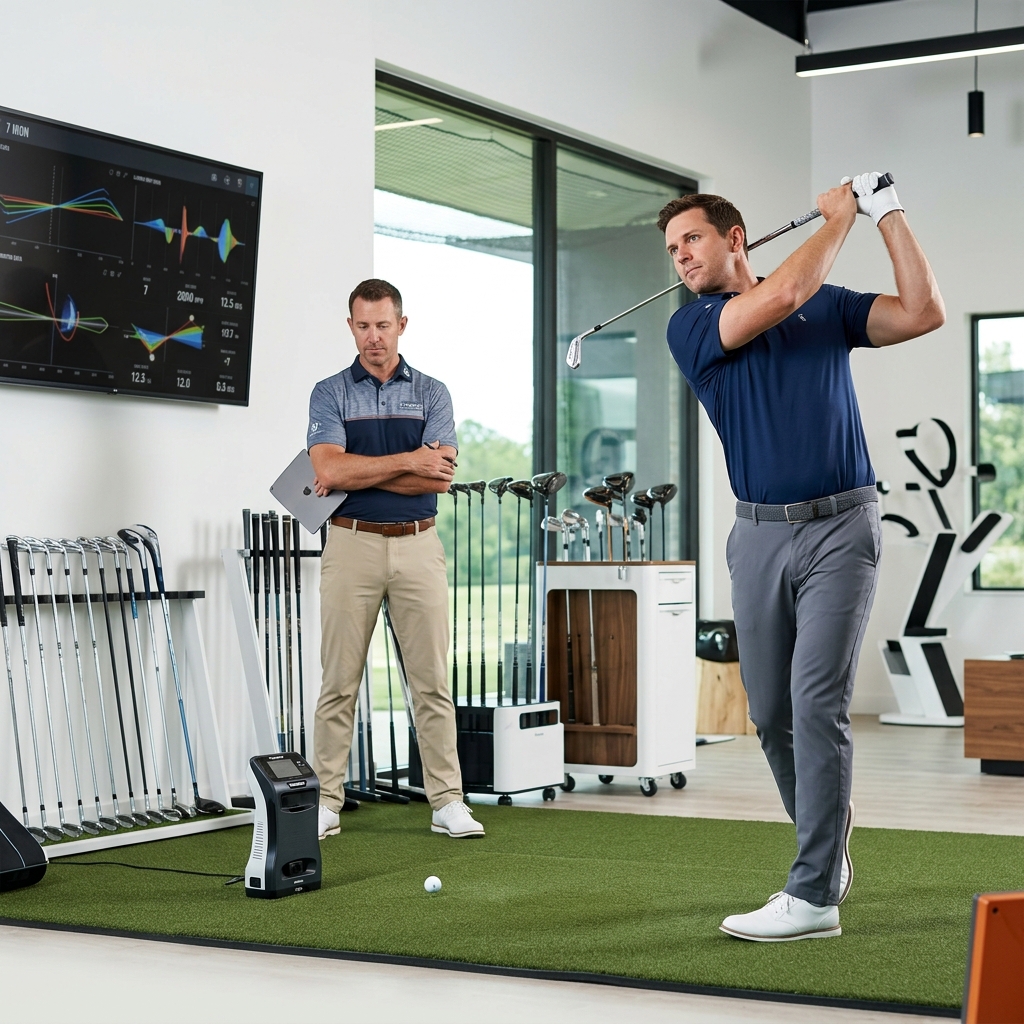
Table of Contents
Why Get Golf Clubs Fitted?
Many golfers believe that off-the-rack clubs are ‘good enough’. While they might be suitable for some, a custom club fitting unlocks a level of performance previously unattainable. Fitted clubs are tailored to your unique swing characteristics, leading to:
- Improved Accuracy: Clubs designed for your swing path minimise mishits.
- Increased Distance: Optimised launch conditions maximise carry and total distance.
- Enhanced Consistency: A more repeatable swing feels more natural and produces more reliable results.
- Greater Enjoyment: Playing with clubs that *feel* right boosts confidence and makes the game more fun.
Importantly, your swing changes over time. What worked five years ago might not be optimal today. Age, fitness levels, and even subtle changes in technique necessitate regular refitting – ideally every 2-3 years, or when you notice a significant drop in performance.
Understanding the Golf Club Fitting Process
A proper golf club fitting isn’t simply about hitting a few balls and picking a shaft. It’s a detailed analysis of your swing and physical attributes. The process typically involves both static and dynamic measurements:
- Static Measurements: Height, wrist-to-floor measurement, hand size, and grip size are all assessed to determine initial club length and grip recommendations.
- Dynamic Measurements: This involves using launch monitors like the TrackMan Performance Studio (£14995) and FlightScope X3 Launch Monitor (£4295) to capture data such as clubhead speed, ball speed, launch angle, spin rate, and carry distance.
- Key Terms:
- Loft: The angle of the clubface, influencing ball trajectory.
- Lie: The angle between the shaft and the clubhead, impacting direction.
- Shaft Flex: The stiffness of the shaft, affecting energy transfer.
- Grip Size: Crucial for comfort and control.
- Swing Speed: The speed at which you swing the club, influencing shaft selection.
What to Expect During Your Fitting: A Step-by-Step Guide
- Initial Consultation: The fitter will discuss your golfing experience, goals, and any physical limitations.
- Static Measurements: As described above.
- Swing Analysis: Hitting balls into a launch monitor while the fitter records data. Expect to hit a variety of clubs – driver, irons, wedges.
- Clubhead and Shaft Testing: The fitter will suggest different clubhead and shaft combinations based on your data, allowing you to test and compare.
- Lie Board and Loft Adjustments: Fine-tuning the lie and loft angles for optimal dispersion.
- Grip Selection: Choosing a grip size and style that suits your hand and swing.
- Final Recommendations: A detailed report outlining the recommended club specifications.
Pre-Fitting Preparation: Wear comfortable golf attire and your usual golf shoes. Bring your current clubs, even if you know you need a change. Be prepared to be patient and open to suggestions.
Types of Golf Club Fittings Available
Different fittings address specific needs. Here’s a breakdown:
| Fitting Type | Description | Pros | Cons | Estimated Cost (2026) |
|---|---|---|---|---|
| Full Bag Fitting | Covers all 14 clubs in your bag. | Most comprehensive, optimises entire game. | Most expensive, time-consuming. | £600 – £1200 |
| Iron Fitting | Focuses solely on iron selection and specifications. | Addresses the core of your scoring game. | Doesn’t address driver or short game. | £300 – £600 |
| Driver Fitting | Optimises driver performance for distance and accuracy. | Significant gains in off the tee. | Doesn’t address iron or short game. | £200 – £400 |
| Wedge Fitting | Dial in your short game with precise wedge specifications. | Improves approach shots and around the green. | Doesn’t address long game. | £150 – £300 |
| Putter Fitting | Find the right putter for your stroke and green reading. | Reduces three-putts and improves scoring. | Focuses solely on putting. | £100 – £200 |
Finding Golf Club Fitters Near You (UK)
Several resources can help you locate a qualified fitter:
- Online Directories: Websites like Golfshake and 2nd Swing offer directories of fitters across the UK.
- Golf Club Pro Shops: Many golf clubs employ resident professionals who offer fitting services.
- Specialist Fitting Studios: Dedicated fitting studios provide a wider range of options and expertise.
Checking Fitter Qualifications: Look for fitters certified by organisations like the Professional Golfers’ Association (PGA) or manufacturer-specific training programs (e.g., Callaway, Titleist). Don’t hesitate to ask about their experience and the technology they use.
Top Golf Club Fitting Centres in the UK (2026)
Here’s a selection of highly-rated fitting centres, categorized by region (prices are approximate for a full bag fitting):
England
- Clubhouse Golf (London): Renowned for their expertise and wide selection of brands. £800-£1500
- American Golf Custom Fit Centres (Nationwide): Convenient locations and competitive pricing. £500-£900
- The Fitting Lab (Manchester): Specialises in advanced launch monitor technology. £700-£1200
Scotland
- St Andrews Performance Golf (St Andrews): Premium fitting experience in the home of golf. £900-£1600
Wales
- Celtic Golf Centre (Newport): Comprehensive fitting services with experienced PGA professionals. £600-£1000
Northern Ireland
- Clarke Golf Centre (Craigavon): Custom fitting and club repair services. £550-£950
Cost of Golf Club Fitting in the UK (2026)
As detailed in the table above, fitting costs vary depending on the scope of the fitting. Here’s a more detailed breakdown:
- Driver Fitting: £200 – £400
- Iron Fitting: £300 – £600
- Wedge Fitting: £150 – £300
- Putter Fitting: £100 – £200
- Full Bag Fitting: £600 – £1200
Extra Costs: The fitting fee typically covers the time and expertise of the fitter and the use of launch monitor technology. It *doesn’t* include the cost of the clubs themselves. Expect to pay extra for club upgrades (e.g., premium shafts, different grip materials).
For example, a custom fitted Callaway Paradym Ai Smoke Max Driver (£649) or Titleist T300 Irons (£1200) will be an additional expense on top of the fitting fee.
After the Fitting: Ordering and Delivery
Once you’re happy with the recommended specifications, you can order your custom clubs. The fitter will typically handle the ordering process for you.
- Lead Times: Custom clubs typically take 4-8 weeks to be delivered, depending on the manufacturer and availability.
- Payment Options: Most fitters accept credit/debit cards and bank transfers.
- Delivery Procedures: Clubs will usually be delivered directly to the fitter’s studio or your home address.
- Satisfaction Guarantee: If you’re not completely satisfied with the final product, discuss it with the fitter. Many offer adjustments or returns policies.
Frequently Asked Questions (FAQs)
- How often should I get fitted? Ideally, every 2-3 years, or whenever you notice significant changes in your swing or performance.
- Can fitting improve my game? Absolutely! A proper fitting can lead to increased distance, improved accuracy, and greater consistency.
- What is the best time of year to get fitted? There isn’t a ‘best’ time, but avoid getting fitted immediately after making significant swing changes. Allow your swing to settle before investing in custom clubs.
- Is a fitting worth the cost? For serious golfers, a fitting is a worthwhile investment. The improvements in performance can quickly pay for themselves.
- Can I get fitted for just one club? Yes! Driver, iron, wedge, and putter fittings are all available independently.