
Table of Contents
Introduction: Why Distance Matters & Choosing the Right Golf Ball
In golf, distance is often the key differentiator between a good round and a great one. Reaching the green in fewer shots not only lowers your score but also puts less pressure on your short game. While skill and technique are paramount, the right golf ball can significantly amplify your distance potential. But with so many options available, choosing the right ball can feel overwhelming. This guide aims to cut through the noise, helping you find the best golf balls for distance in 2026, tailored to your swing speed and playing style. We’ll explore the critical ball characteristics – compression, dimple patterns, and core materials – that determine how far your ball will fly.
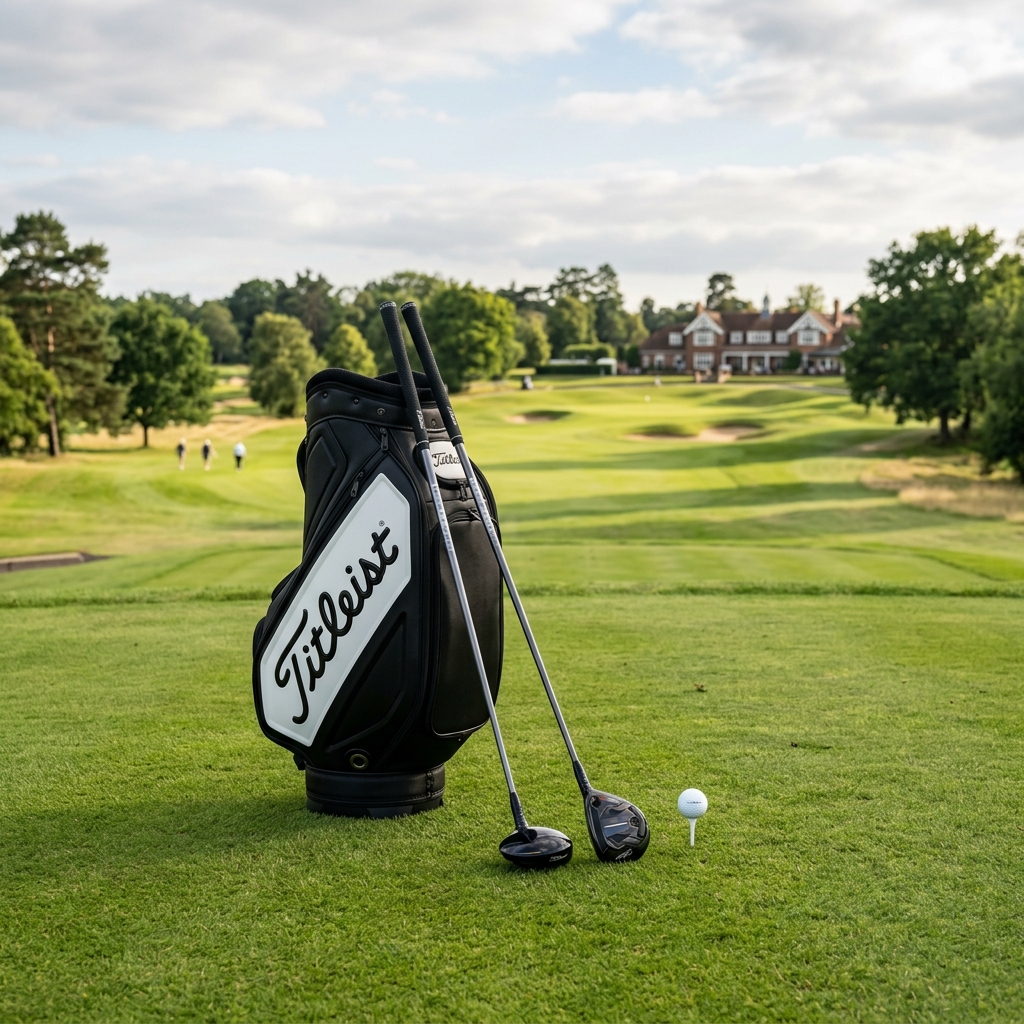
Understanding Golf Ball Construction & Distance
Golf ball construction is surprisingly complex. Here’s a breakdown of the key components and their impact on distance:
Core
The core is the engine of the golf ball. Multi-layer cores, common in premium balls, offer a progressive energy transfer, maximising ball speed. The outer layer is typically softer for feel, while inner layers are firmer for distance. Single-layer cores, found in distance-focused balls, are simpler and generally more affordable, prioritising energy transfer for higher ball speeds.
Cover
The cover dictates the ball’s feel and spin characteristics. Urethane covers are favoured by tour professionals for their soft feel, high spin around the greens, and durability. Ionomer covers are more durable and offer a firmer feel, often used in distance balls as they contribute to higher ball speeds. Blends of urethane and ionomer offer a compromise between feel and performance.
Dimple Patterns
Dimples are crucial for reducing drag and increasing lift, allowing the ball to travel further. Modern balls typically feature between 300 and 500 dimples, with varying depths and shapes. More aerodynamic dimple patterns can yield significant distance gains.
Compression
Compression refers to how much the ball deforms upon impact. Lower compression balls are easier to compress, ideal for golfers with slower swing speeds, as they maximise energy transfer. Higher compression balls require faster swing speeds to compress effectively, delivering greater distance and control for powerful golfers.
Top Picks: Best Golf Balls for Distance – 2026 Review
These are our top picks for distance golf balls in 2026, considering performance, price, and suitability for different golfer profiles. Prices quoted are per dozen (unless otherwise stated).
| Golf Ball | Price (GBP) | Pros | Cons | Ideal Golfer |
|---|---|---|---|---|
| Titleist Pro V1x | £55.0 | Exceptional distance, low spin off the tee, excellent feel, consistent performance. | Premium price, may be too spinny for slower swing speeds. | Experienced golfers, 100+ mph swing speed, low handicap. |
| TaylorMade TP5x | £52.0 | Very long distance, high launch, low driver spin, soft feel. | Can be expensive, not ideal for players seeking maximum control around the greens. | Aggressive swingers, 105+ mph swing speed, mid-low handicap. |
| Callaway Chrome Soft X LS | £50.0 | Designed for low spin and maximum distance, soft feel, good greenside control. | Not as durable as some other options, can be challenging for high-handicap players. | Fast swingers, 100-115 mph, seeking low spin. |
| Srixon Z-Star XV | £48.0 | Excellent distance, penetrating ball flight, good control, competitive price. | Firm feel may not suit all players. | Mid-to-fast swing speeds, 95-110 mph, seeking a balanced performance. |
| Bridgestone Tour B RXS | £45.0 | Fastest ball in the Bridgestone range, designed for high ball speed, good feel. | May not offer the same level of greenside control as urethane models. | Aggressive swingers, 100+ mph swing speed, seeking maximum distance. |
| Vice Pro Plus | £38.0 | Excellent value for money, long distance, soft feel, good spin control. | May not have the brand recognition of premium options. | Mid-handicap players, 90-110 mph swing speed, seeking performance without the premium price tag. |
Best Distance Golf Balls for High Swing Speeds (110+ mph)
Golfers with faster swing speeds need balls that can withstand the impact and maximise energy transfer. The TaylorMade TP5x and Titleist Pro V1x are standouts in this category. Their multi-layer construction and firmer covers are designed to minimise spin off the driver, resulting in greater carry and total distance. The Callaway Chrome Soft X LS also excels, offering a very low spin rate for those seeking to really bomb the ball.
Best Distance Golf Balls for Moderate Swing Speeds (90-110 mph)
For golfers with moderate swing speeds, it’s essential to find a ball that balances distance with control. The Srixon Z-Star XV and Vice Pro Plus offer a great compromise. They provide ample distance without sacrificing feel or greenside spin. Consider a slightly lower compression ball within this range to maximise energy transfer.
Best Distance Golf Balls for Slower Swing Speeds (Under 90 mph)
Golfers with slower swing speeds benefit from balls with softer compression. These balls compress more easily, transferring energy more efficiently. While not featured above, look for models specifically marketed for slower swings. These balls often feature a very soft cover and a two-piece construction for maximum energy return.
Budget-Friendly Distance Golf Balls: Performance Without Breaking the Bank
You don’t need to spend a fortune to find a golf ball that delivers decent distance. The Wilson Staff Distance Plus (24 balls for £30.0) is a popular choice, offering good distance and durability at an affordable price. While it won’t match the performance of premium balls, it’s a great option for beginners or high-handicap players looking to improve their game without emptying their wallet. Top Flite XL Distance are also good contenders.
Golf Ball Testing Methodology: How We Chose These Balls
Our recommendations are based on a rigorous testing process. We utilize launch monitor data (TrackMan and FlightScope) to measure carry distance, ball speed, and spin rates. We also conduct extensive on-course testing in various conditions, evaluating performance from tee to green. Finally, we gather user feedback from golfers of all skill levels to ensure our recommendations are well-rounded and reliable. We tested balls from late 2025 and early 2026 releases to ensure this is the most up-to-date list available.
Frequently Asked Questions (FAQs)
What compression should I use?
Generally, slower swing speeds (under 90 mph) benefit from lower compression balls, while faster swing speeds (100+ mph) require higher compression balls. Moderate swing speeds (90-110 mph) can experiment with both.
How do dimples affect distance?
Dimples reduce drag and create lift, allowing the ball to travel further. The number, depth, and pattern of dimples all contribute to aerodynamic performance.
Do expensive golf balls really make a difference?
Yes, but the benefit diminishes as skill increases. For high-handicap players, the difference might be marginal. However, for low-handicap players who can consistently compress the ball, premium balls offer noticeable improvements in distance, spin, and feel.
Is it worth getting fitted for a golf ball?
Absolutely! A professional golf ball fitting can help you identify the ball that best complements your swing speed, launch angle, and spin rate. It’s a worthwhile investment for serious golfers.
What’s the difference between a two-piece and multi-layer golf ball?
Two-piece golf balls generally focus on distance and durability, being easier to compress. Multi-layer golf balls offer more control, spin, and feel, catering to more skilled players with faster swing speeds.
Conclusion: Finding the Perfect Distance Ball For Your Game
Finding the best golf ball for distance is a personal journey. Consider your swing speed, handicap, and playing style. If you’re a fast-swinging golfer seeking maximum distance, the TaylorMade TP5x or Titleist Pro V1x are excellent choices. For moderate swing speeds, the Srixon Z-Star XV and Vice Pro Plus offer a great balance of distance and control. And if you’re on a budget, the Wilson Staff Distance Plus provides solid performance without breaking the bank. Ultimately, the best way to find the perfect ball is to experiment and see what works best for *your* game.