
Table of Contents
As an Amazon Associate, we earn from qualifying purchases. This means we may receive a small commission at no extra cost to you when you buy through links on this page.
Introduction: The Benefits of Home Golf Practice
In 2026, golf is more popular than ever, but finding the time and money to regularly hit the driving range or play a full round can be a challenge. That’s where home golf practice comes in. Practicing at home offers unparalleled convenience – no travel time, play whenever *you* want, and the ability to work on specific areas of your game without the pressure of others waiting. It’s significantly more cost-effective than frequent range visits or green fees, and allows for flexible practice schedules tailored to your lifestyle. Dedicated home practice, even in short bursts, can dramatically supplement your range and course time, leading to noticeable improvements in your swing, short game, and overall consistency.
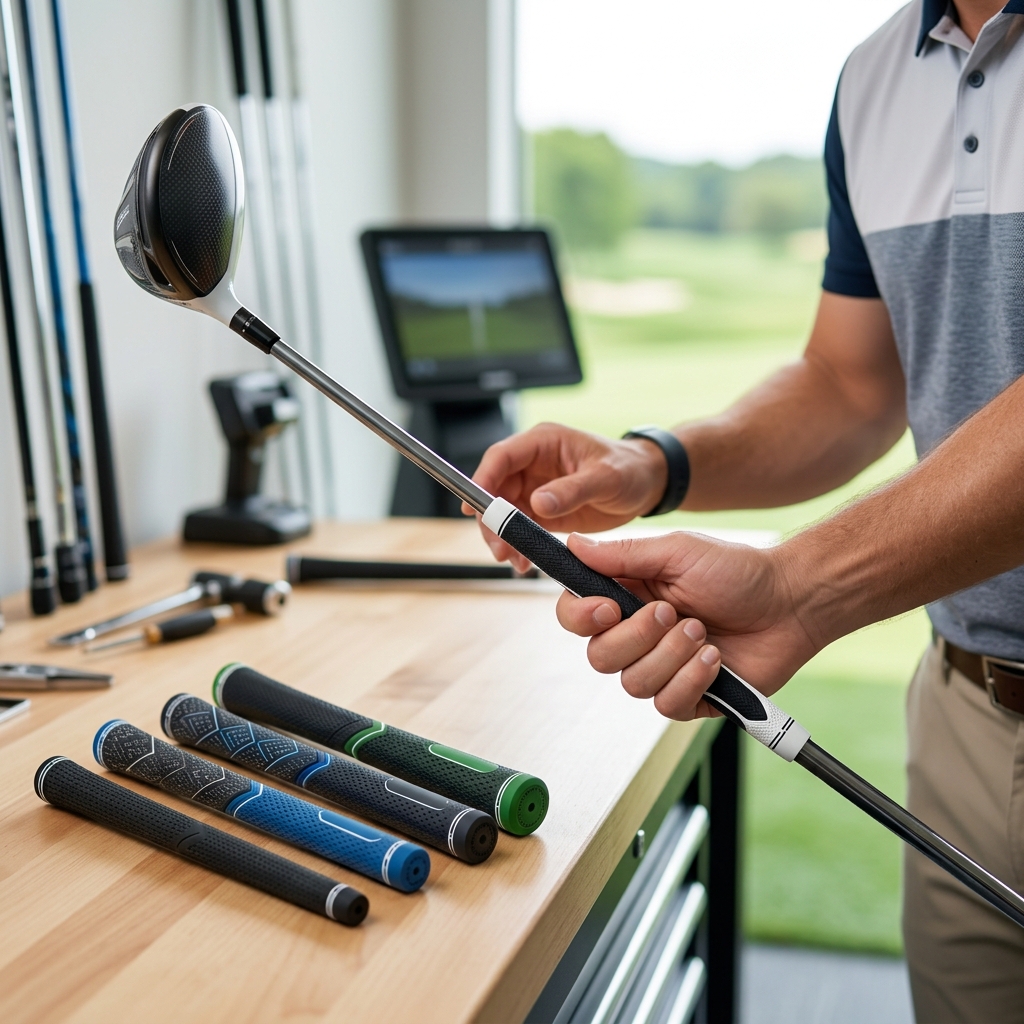
Essential Home Golf Practice Equipment (2026)
The equipment you need depends on your budget and available space. Here’s a breakdown, incorporating the latest tech and materials available in 2026:
Budget Breakdown
Under £100: Starter Kit
- Golf Mats: A basic hitting mat (£30-£60) is essential to protect your floors and provide a realistic hitting surface. Look for durable rubber options.
- Practice Balls: Callaway HX Practice Balls (£29.99 for a pack of 20) are ideal for indoor use – they’re soft, won’t damage furniture, and are great for swing practice.
- Alignment Sticks: A set of alignment sticks (£15-£25) helps with setup, swing path, and target alignment.
- SKLZ Golf Swing Trainer (£34.99): This helps with swing plane and tempo.
£100 – £300: Intermediate Setup
- Rukket Golf Net (10x7ft) (£149.99): A quality net for full swing practice. Consider models with reinforced netting and easy setup.
- Putting Mat: Callaway Golf Indoor Putting Mat (£79.99) offers a realistic putting surface.
- Impact Bag: For developing power and impact position (£40 – £70).
£300+: Advanced Home Golf Studio
- Launch Monitor: Entry-level launch monitors are now more affordable (starting around £200), providing data on ball speed, launch angle, and carry distance.
- Swing Sensor: Garmin Approach G80 Launch Monitor (£199.99) attach to your club and provide real-time feedback on swing mechanics via a smartphone app.
- Golf Simulator: OptiShot 2 Golf Simulator (£499.99) provides a more immersive experience, allowing you to play virtual courses.
Warm-up and Stretching for Home Practice
Before you start swinging, a proper warm-up is crucial to prevent injuries. Focus on dynamic stretches that mimic the golf swing.
Dynamic Stretches & Warm-up Drills:
- Arm Circles: Forward and backward (10 reps each).
- Torso Twists: Gentle rotations, keeping your core engaged (10 reps each side).
- Leg Swings: Forward, backward, and sideways (10 reps each leg).
- Wrist Flexes and Extensions: (10 reps each).
- Practice Swings: Start with slow, controlled swings, gradually increasing speed and range of motion.
Resource: Check out this video for a comprehensive golf warm-up routine: Golf Warm-up Routine.
Full Swing Drills for Limited Space
You don’t need a vast space to work on your full swing. These drills are effective even in smaller areas:
- Half-Swing Drills: Focus on the takeaway, backswing position, downswing initiation, and impact. Repeat these half-swings, concentrating on maintaining good form.
- Impact Bag Work: Hitting an impact bag helps develop a strong impact position and reinforces correct muscle activation.
- Towel Drill: Place a rolled-up towel under your trailing armpit. This encourages maintaining connection between your arms and body during the swing.
- Mirror Feedback: Use a mirror to check your swing plane, posture, and alignment.
Short Game Practice at Home: Putting & Chipping
The short game is where you really save strokes. Here’s how to hone it indoors:
Putting Drills
- Putting Mat Drills: Use a putting mat to practice distance control, alignment, and stroke consistency.
- Gate Drill: Place two tees slightly wider than your putter head, creating a “gate.” Practice putting through the gate to improve stroke path.
- Distance Control: Mark distances on your putting mat and practice consistently hitting putts to those spots.
Chipping Drills
- Target Practice: Use small targets (cups, towels) to practice chipping accuracy.
- Indoor Chipping Net: Dedicated indoor chipping nets are now available, allowing you to practice chipping into a net without damaging furniture.
Swing Analysis Tools & Technology (2026)
Technology has revolutionized home golf practice. Here’s a look at some of the best tools available:
Comparison Table: Swing Analysis Tools
| Tool | Price (GBP) | Key Features | Pros | Cons |
|---|---|---|---|---|
| Garmin Approach G80 Launch Monitor | £199.99 | Attaches to club, measures swing speed, tempo, plane, and face angle. App provides instant feedback. | Affordable, easy to use, provides actionable insights. | Requires smartphone, data accuracy can vary. |
| OptiShot 2 Golf Simulator | £499.99 | Simulates golf courses, provides swing analysis data, and allows for virtual play. | Immersive experience, comprehensive data, fun and engaging. | More expensive, requires dedicated space. |
| Launch Monitor (Entry-Level) | £200-£400 | Measures ball speed, launch angle, carry distance, and spin rate. | Provides valuable data for swing improvement, relatively affordable. | Accuracy can vary, may require calibration. |
Creating a Dedicated Home Golf Space
Even a small space can be transformed into a functional home golf practice area:
- Flooring: Protect your floors with a golf mat or durable carpeting.
- Net Placement: Position your net securely, ensuring enough space for your swing.
- Lighting: Good lighting is essential for clear visibility.
- Soundproofing: If noise is a concern, consider soundproofing materials for walls and ceilings.
Maintaining Motivation and Tracking Progress
Staying motivated is key to consistent practice.
- Set Goals: Define clear, achievable goals for your practice sessions.
- Track Stats: Record your practice data (distances, accuracy, etc.) to monitor your progress.
- Practice Journal: Keep a journal to reflect on your practice sessions and identify areas for improvement.
- Gamification: Turn practice into a game by setting challenges and rewarding yourself for achieving milestones.
Safety Considerations for Indoor Golf Practice
Safety should be your top priority:
- Swing Space: Ensure you have enough clear space around your swing.
- Net Security: Secure your net properly to prevent it from collapsing or moving during a swing.
- Ball Retrieval: Be careful when retrieving practice balls to avoid tripping or damaging furniture.
- Protect Furniture: Cover or move furniture that might be damaged by errant swings.
Conclusion: Level Up Your Game From Home
Practicing golf at home offers a fantastic way to improve your game, regardless of your skill level. From affordable starter kits to advanced swing analysis technology, there’s something for everyone. The convenience, cost-effectiveness, and flexibility of home practice make it a valuable supplement to range and course time. Remember, consistent practice – even in short bursts – is the key to unlocking your golfing potential. So, set up your space, grab your clubs, and start leveling up your game from the comfort of your own home!
FAQ
Q: What’s the minimum space I need for home golf practice?
You can practice putting and chipping in a very small space (a few square meters). For full swing practice, a space approximately 3m x 5m is recommended, but you can adapt drills for smaller areas.
Q: Are Callaway HX Practice Balls really safe for indoor use?
Yes, Callaway HX Practice Balls are specifically designed for indoor practice. They are lightweight and won’t damage furniture or walls.
Q: How often should I practice at home?
Consistency is more important than duration. Even 20-30 minutes of focused practice 3-4 times a week can yield significant improvements.
Q: Is a launch monitor necessary for effective home practice?
No, a launch monitor is not essential. You can still make significant progress with basic equipment and a focus on proper technique. However, a launch monitor can provide valuable data to help you refine your swing.