
Table of Contents
As an Amazon Associate, we earn from qualifying purchases. This means we may receive a small commission at no extra cost to you when you buy through links on this page.
Introduction: Why Choosing the Right Tee Matters
For many golfers, the humble tee is an afterthought. Yet, selecting the correct golf tee can subtly but significantly impact your game. The right tee can influence distance, accuracy, and consistency off the tee, ultimately lowering your scores. Since 2024, tee technology has evolved, moving beyond basic wood and plastic to include innovative designs focused on reducing friction and promoting optimal launch conditions. This guide will help you navigate the options and find the perfect tee to elevate your performance on the course.
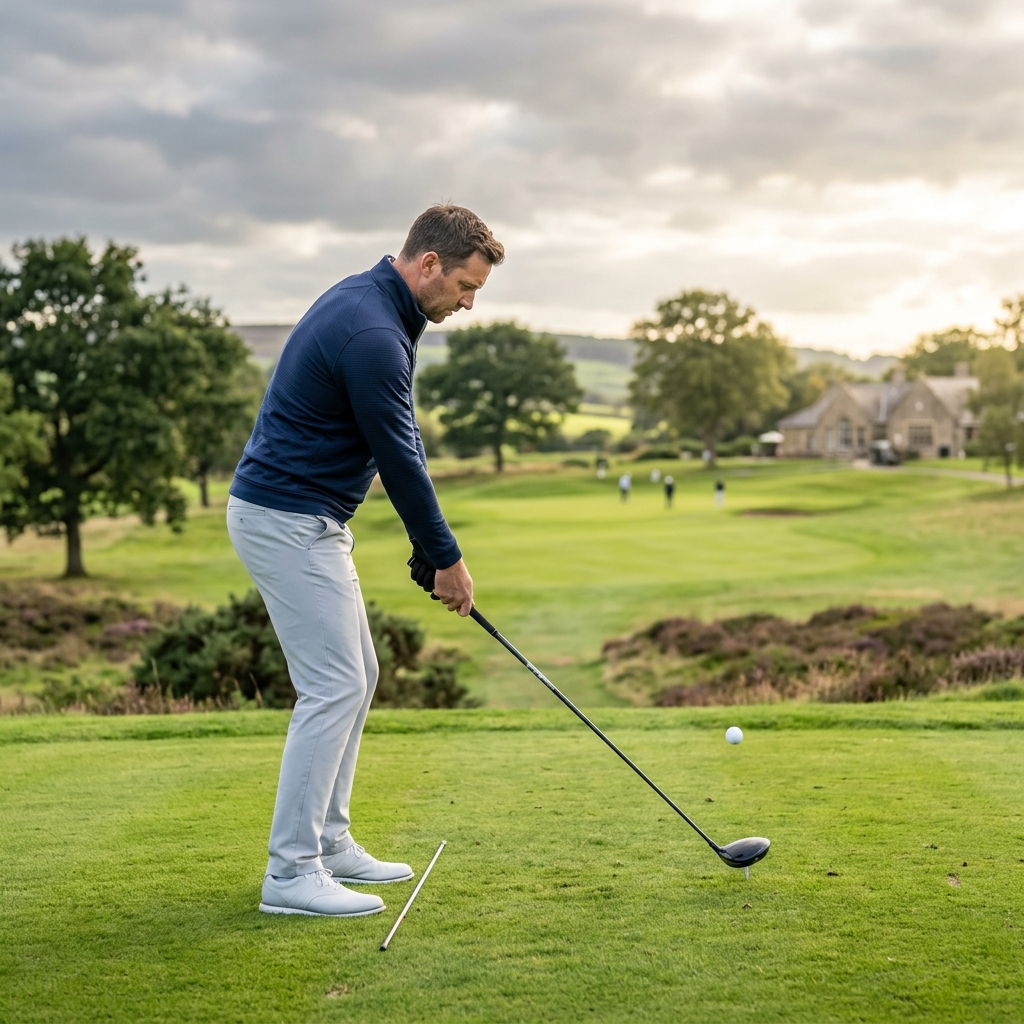
Golf Tee Materials: A Breakdown
The material of your tee impacts its durability, environmental impact, and even how it feels at address. Here’s a breakdown of the common options:
| Material | Pros | Cons | Typical Cost (2026) |
|---|---|---|---|
| Wood | Traditional feel, biodegradable, relatively inexpensive. | Can break easily, inconsistent height, susceptible to moisture. | PrideGolf Wooden Golf Tees (Pack of 300) – £14.99 |
| Plastic | Durable, consistent height, resistant to moisture. | Not biodegradable, can feel less natural at address. | Callaway Warbird Golf Tees (Pack of 30) – £6.00 |
| Bamboo | Sustainable, biodegradable, lightweight, offers a good feel. | Can be less durable than plastic, potentially more expensive. | Bamboo Golf Tees (Pack of 50) – £7.50 |
| Biodegradable Plastic | More environmentally friendly than traditional plastic, durable. | May still take a long time to decompose, can be slightly more expensive. | ECO Golf Biodegradable Tees (Pack of 100) – £11.99 |
Tee Height: Finding Your Perfect Fit
Tee height is crucial for optimising launch angle and carry distance. Generally, higher tees promote a higher launch with more backspin, while lower tees can encourage a lower, more penetrating ball flight. The ideal height depends on your clubhead speed and swing characteristics.
Determining Optimal Tee Height
- Driver: For most golfers, approximately 50-60% of the ball should be above the crown of the driver at address. Players with faster swing speeds may benefit from slightly higher tees.
- Fairway Woods & Hybrids: Tee height should decrease as you move down to shorter clubs. With fairway woods, aim for around 30-40% of the ball above the crown, and with hybrids, around 20-30%.
Tee Height Guide (Approximate)
| Swing Speed (mph) | Driver Tee Height (inches) | Fairway Wood Tee Height (inches) | Hybrid Tee Height (inches) |
|---|---|---|---|
| Under 80 | 2.25 – 2.5 | 1.75 – 2.0 | 1.25 – 1.5 |
| 80 – 95 | 2.5 – 2.75 | 2.0 – 2.25 | 1.5 – 1.75 |
| 95+ | 2.75 – 3.0 | 2.25 – 2.5 | 1.75 – 2.0 |
Note: These are general guidelines. Experimentation is key to finding what works best for your individual swing.
Tee Colours: Visibility and Psychology
Tee colour primarily impacts visibility against different backgrounds. Bright colours like orange, yellow, and pink are easier to spot in the rough or amongst leaves. However, there’s also a psychological aspect to consider. Some golfers believe certain colours can influence their perception of the tee and, consequently, their swing. In 2026, we’re seeing a trend towards more muted, earth-tone colours gaining popularity, possibly due to a desire for a less distracting visual on the tee box.
Standard vs. Step Tees: What’s the Difference?
Standard tees are the traditional, single-pronged tees we’re all familiar with. Step tees, on the other hand, feature a small step or platform that allows you to consistently set the tee to a predetermined height.
Benefits of Step Tees:
- Consistent Height: Eliminates guesswork and ensures the same tee height every time.
- Reduced Ground Contact: The step minimizes contact with the ground, reducing friction and potentially increasing distance.
Step tees are particularly beneficial for golfers who struggle with consistency in their tee height or want to optimise launch conditions.
Brush Tees & Other Innovative Tee Designs
Recent years have seen a surge in innovative tee designs aimed at reducing friction and improving distance.
- Brush Tees: Feature flexible bristles that hold the ball with minimal contact, reducing friction. (Brush Tee (Single Tee) – £4.99)
- Zero Friction Tees: Designed with a low-resistance head and a flexible stem to minimise energy loss. (Zero Friction Performance Tees (Pack of 60) – £8.99)
- Multi-Height Tees: Offer multiple height settings on a single tee, providing versatility.
While these designs can offer benefits, their effectiveness varies depending on the golfer’s swing and preferences. They generally come with a higher price point than traditional tees.
Tee Durability and Cost: Balancing Value
Tee durability hinges on the material. Wood tees are the least durable, often breaking after only a few uses. Plastic tees offer the best durability, lasting for numerous rounds. Bamboo tees fall somewhere in between. Cost-wise, wood tees are the most affordable, followed by plastic and then bamboo/biodegradable options. Consider how frequently you play and your budget when deciding which type of tee to purchase.
Eco-Friendly Golf Tees: Sustainable Options for 2026
The demand for eco-conscious golf equipment is growing, and golf tees are no exception. Biodegradable tees, made from materials like bamboo or plant-based plastics, are becoming increasingly popular. Several brands are now committed to environmentally friendly practices, offering sustainable tee options. Choosing eco-friendly tees is a small but impactful way to reduce your environmental footprint on the golf course.
Our Top Pick: Zero Friction Performance Tees
For the golfer looking for a blend of performance and durability, the Zero Friction Performance Tees are our top pick for 2026. While slightly more expensive than standard plastic tees, their low-resistance design and consistent performance make them a worthwhile investment. They are particularly suited to golfers looking to maximise distance and consistency.
Conclusion: Tee Up for Success
Choosing the right golf tee is a surprisingly important aspect of the game. By considering the material, height, colour, and design, you can find a tee that complements your swing and helps you achieve better results. Don’t be afraid to experiment with different options to discover what works best for you. Ultimately, the perfect tee is the one that feels most comfortable and helps you tee off with confidence.
FAQ
- Q: How often should I replace my tees?
A: It depends on the material. Wood tees should be replaced frequently, potentially every few holes. Plastic and bamboo tees can last for several rounds, but replace them when they become damaged or worn. - Q: Does tee colour really matter?
A: Primarily for visibility. Choose colours that stand out against the course’s background. Some golfers believe colour can have a psychological effect, but this is subjective. - Q: Are biodegradable tees as durable as plastic tees?
A: Generally, no. Biodegradable tees are typically less durable than plastic, but advancements in materials are constantly improving their lifespan. - Q: What tee height should I use with a driver if I slice the ball?
A: A slightly lower tee height may help reduce the severity of the slice by promoting a more downward swing path. - Q: Are step tees worth the investment?
A: If you struggle with consistency in your tee height or want to precisely control your launch conditions, step tees can be a valuable investment.