
Table of Contents
As an Amazon Associate, we earn from qualifying purchases. This means we may receive a small commission at no extra cost to you when you buy through links on this page.
What are Forged Irons?
Forged irons represent a premium segment of golf club technology, and understanding the manufacturing process is key to appreciating their benefits. Unlike cast irons, which are made by pouring molten metal into a mould, forged irons are created by repeatedly hammering and shaping a single piece of metal – typically carbon steel – under immense pressure. This process aligns the grain structure of the metal, resulting in a denser, stronger, and more responsive clubhead. This single-piece construction is crucial; there are no seams or imperfections inherent in the manufacturing process, leading to a purer feel and more consistent performance. The forging process generally uses one of two methods: drop forging (where a hammer repeatedly strikes the metal) or press forging (where the metal is squeezed into shape). Both methods share the core principle of grain alignment, producing a superior product compared to casting.
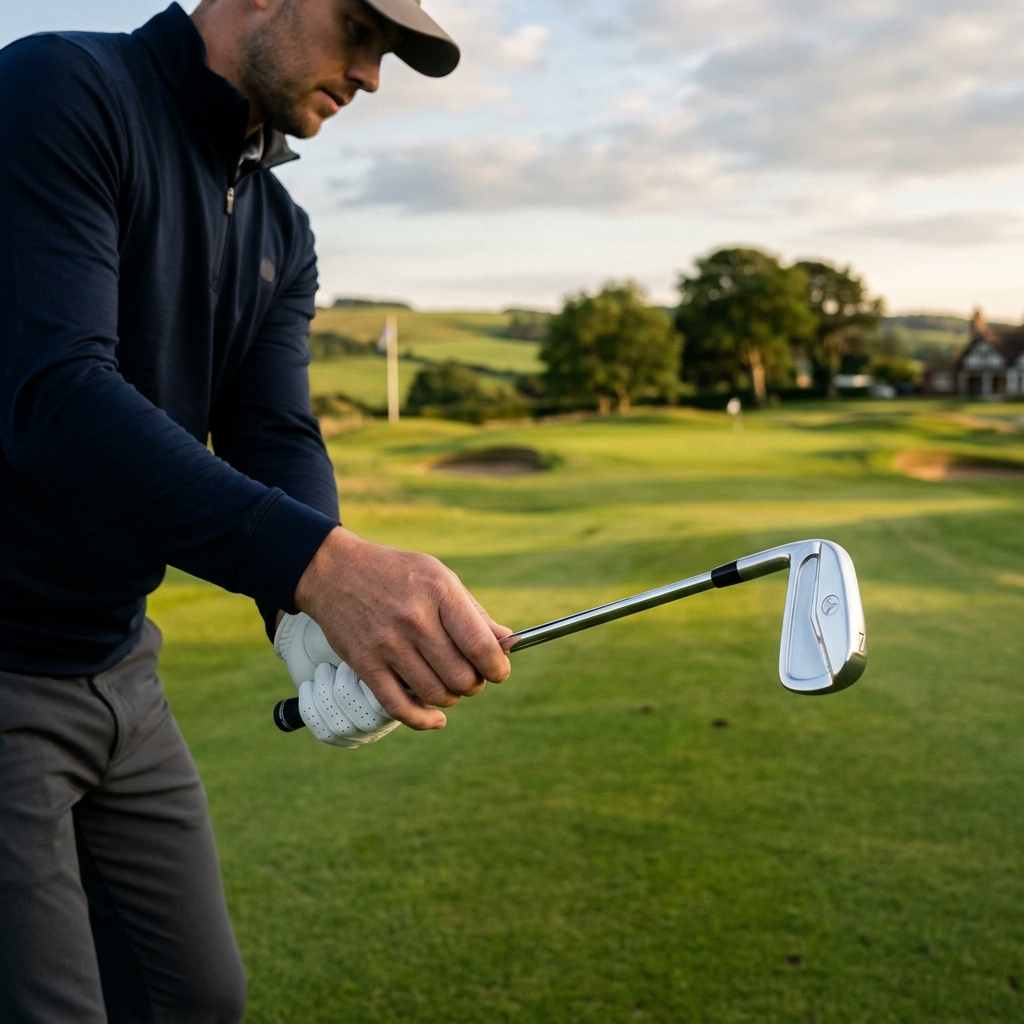
The Key Benefits of Forged Irons
While more expensive, forged irons deliver a range of performance benefits that are highly sought after by discerning golfers:
- Improved Feel & Feedback: The dense grain structure of forged steel provides exceptional feedback, allowing you to ‘feel’ exactly where on the clubface you’ve struck the ball. This is invaluable for refining your swing.
- Enhanced Control & Precision: The responsiveness of forged irons provides greater control over shot shaping and trajectory.
- Softer Impact Sensation: The inherent softness of forged steel absorbs more shock at impact, leading to a more pleasing and comfortable hitting experience.
- Potentially Greater Distance: While not a guaranteed outcome, the efficient energy transfer in forged irons can contribute to increased ball speed and, therefore, distance. This isn’t about raw power; it’s about more energy being transferred to the ball with less loss in the clubhead.
- Consistency in Strike: The uniform density of the metal leads to more consistent ball striking, even on off-centre hits. This isn’t to say they’re forgiving (see below) but the consistency of *feel* across the face is superior.
Forged vs. Cast Irons: A Head-to-Head Comparison
Here’s a detailed comparison to help you understand the key differences:
| Feature | Forged Irons | Cast Irons |
|---|---|---|
| Feel | Superior, responsive, provides excellent feedback. | Generally more muted, less feedback. |
| Distance | Potentially longer due to efficient energy transfer. | Can be comparable, often relies on larger clubhead designs for distance. |
| Forgiveness | Generally less forgiving, requires a more consistent swing. | More forgiving, designed to minimize distance loss on mishits. |
| Durability | Highly durable, can last a lifetime with proper care. | Good durability, but may not withstand heavy use as long as forged. |
| Cost | £900 – £2000+ (depending on model & materials) | £400 – £1000 (typically) |
| Player Handicap Suitability | Low to Mid-Handicap (0-18) – benefits skilled players. | Mid to High-Handicap (18+) – more forgiving for less consistent swings. |
Who Should Consider Forged Irons?
The common misconception is that forged irons are strictly for professional golfers. This isn’t true. While they demand a more consistent swing, they can benefit a range of players:
- Low to Mid-Handicap Golfers (0-18): These players have the swing consistency to take full advantage of the feel and control offered by forged irons.
- Players Who Prioritise Feel: If you value the sensation of a pure strike and want more feedback from your clubs, forged irons are an excellent choice.
- Those Looking for More Control: For golfers who want to shape shots and control trajectory with precision, forged irons offer a distinct advantage.
- Golfers Actively Working to Improve Their Swing: The feedback from forged irons can accelerate swing improvements by highlighting areas for refinement.
If you struggle with consistent contact and frequently mishit the ball, a more forgiving cast iron might be a better starting point. However, as your swing improves, upgrading to forged irons can unlock a new level of performance.
The Impact of Materials: Carbon Steel & Beyond
The type of carbon steel used in forging significantly impacts the club’s performance. Common options include:
- 1020 Carbon Steel: A softer steel, offering exceptional feel but less durability. Often found in ‘players’ irons.
- 8620 Carbon Steel: A slightly harder steel, providing a good balance of feel and durability. Very popular for forged irons.
- Stainless Steel (Forged): Some manufacturers now offer forged stainless steel irons. These offer increased durability and corrosion resistance, but may sacrifice some of the pure feel of carbon steel.
The choice of material depends on the desired characteristics of the iron. Manufacturers often blend different materials to achieve a specific feel and performance profile.
Forged Iron Technology in 2026: What’s New?
Forged iron technology continues to evolve. In 2026, we’re seeing several key advancements:
- Variable Face Thickness: Manufacturers are using laser technology to precisely control face thickness, creating a larger sweet spot without sacrificing feel.
- Tungsten Weighting: Strategic placement of tungsten weights optimizes launch conditions and MOI (Moment of Inertia) for improved stability.
- Improved Cavity Designs: Cavity back designs are becoming more refined, offering a subtle degree of forgiveness without compromising the core benefits of forged construction.
- Artificial Intelligence (AI) Design: AI is being used to optimise clubhead geometry and weighting for specific player profiles.
Top Forged Irons Available in the UK (2026)
Here’s a look at some of the best forged irons currently available in the UK market:
Titleist T150 Irons (£1399)
- Excellent feel and control.
- Compact head shape for skilled players.
- Limited forgiveness.
TaylorMade P790 Irons (£1249)
- Combination of forged feel and game-improvement technology.
- Good balance of distance and control.
- Can be expensive.
Callaway Apex Pro 21 Irons (£1199)
- Soft feel and precise control.
- Enhanced shaping for confident address.
- Requires a consistent swing.
Wilson FG Tour V6 Irons (£999)
- Exceptional value for money.
- Classic forged feel and performance.
- Less advanced technology compared to some rivals.
Srixon ZU85 Utility Iron (£229)
- Forged construction for a premium feel.
- Versatile for long approaches and off the tee.
- Not a full set of irons.
Cost Considerations: Are Forged Irons Worth the Investment?
Forged irons typically cost more than cast irons. However, the investment can be justified by the improved performance, enhanced feel, and increased longevity. A well-maintained set of forged irons can last for many years, potentially saving you money in the long run compared to repeatedly replacing cast irons. Consider the value of improved feedback, control, and the overall enjoyment of the game when making your decision.
Caring for Your Forged Irons
To ensure your forged irons last, follow these tips:
- Clean After Every Round: Remove dirt and grime with a soft brush and mild soap.
- Dry Thoroughly: Moisture can cause rust, especially in carbon steel irons.
- Store Properly: Keep your irons in a dry, protected environment.
- Check Grips Regularly: Replace worn grips to maintain optimal control and comfort.
Where to Buy Forged Irons in the UK
You can find forged irons at the following UK retailers:
- American Golf: https://www.americangolf.co.uk/
- GolfBox: https://www.golfbox.co.uk/
- Scotty Cameron (for certain brands): https://www.scottycameron.com/en_GB/
- Direct Golf: https://www.direct-golf.co.uk/
- Local Pro Shops: Support your local golf professional!
FAQ
Are forged irons really that much better than cast irons?
For skilled players with consistent swings, forged irons offer a superior feel, more control, and potentially greater distance. However, cast irons are more forgiving and may be a better choice for beginners or high-handicap golfers.
Can forged irons help me improve my swing?
Yes, the enhanced feedback from forged irons can help you identify areas for swing improvement. Knowing *exactly* where you hit the ball on the clubface is invaluable for refining your technique.
How long will forged irons last?
With proper care, a well-maintained set of forged irons can last a lifetime. The durable materials and construction ensure longevity.
What handicap should I be before considering forged irons?
Generally, golfers with a handicap of 18 or lower will benefit most from forged irons. However, this is not a strict rule – if you prioritise feel and control, you may enjoy them at a higher handicap.
Are forged irons difficult to hit?
They require a more consistent swing than cast irons. Mishits with forged irons are more noticeable and can result in greater distance loss. They are not inherently ‘difficult’ but demand more precision.